|
|
 You can see more information by clicking on the tabs above

| |
|

Wonderful Weeds my lecture at a Queensland
Permaculture expo in Brisbane
|
Healing and Nurturing Herbs and Weeds
Our principal interest in herbs is their extraordinary healing properties due to our extensive use of them in our clinic.
There are thousands of plants that can be used to treat many ailments, as well as trees from all over the world which provide medicine and food.
Flowers can be made into essences which can help you balance your emotions. Some plants are used for decoration only, yet help cleanse our air.
I believe all we need for our medicine and wellbeing is around us.
On our property I use several different plants which are classified as "weeds".

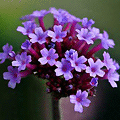
Vervain - verbena officinalis
| |
|
I use these "weeds" in salads, stir frys, teas, make herbal tinctures for medicine and dry the herbs for medicinal use.
Plants detox the air we breathe and it is great to have indoor plants inside your living space to help clean the air and give your home a wonderful feel.
I believe they have a life and world of their own and the life force within each plant is a special gift that we are blessed to experience whilst watching them grow and respond to love and kindness.
Like us: feed them right, give them water and love, place them in the right environment and they respond wonderfully.
| |
|

what is a herb used for
|
The use of herbs as medicines is a lot older than recorded human history[1].
The use of herbs to treat disease is almost universal among non-industrialized societies, and is often more affordable than purchasing expensive modern pharmaceuticals[2].
As the exponentially rising health problems debilitate industrialized populations around the world healing herbs are becoming more and more important to maintaining individual health and vitality and are now a necessary feature of any preventive health regime.
Not everyone has confidence in being able to locate and identify individual herbs so dried herbs, which can be used for making teas, are becoming increasingly important for maintaining health.

Herbs ready for drying in the kiln
| |
|
We have installed a dehydrating kiln and are drying plant material to ensure we have a round-the-year supply of these divine healers.
You can see how we process plant material for our dried herbal teas and tinctures here.
Contra-indications: Some herbs are not suitable for certain situations - we have identified these on the individual plant pages as
contraindications.
To discover the uses of a particular herb - visit the herb page which you can access on the list of plants.
Preparing herbs for health
The best way of obtaing a herb's benefits is, in most cases, simply by eating the fresh herb
However some herbs are not edible, some are potentially toxic if not prepared properly, some taste quite vile and in some cases you want the healing action to work on your surface (skin) rather than internally.
Over the millenia man has developed various techniques for extracting the beneficial properties of herbs for different applications and as a way of storing them for use when the fresh herb is not suitable or available.
Here are the main methods used:
| |
|
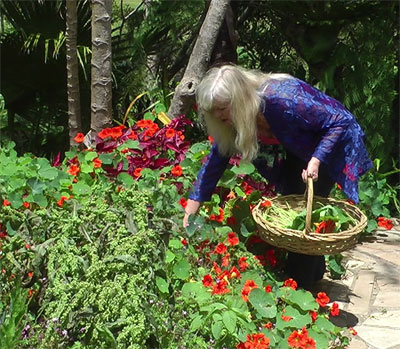
harvesting nasturtium for making a tincture
|
- Decoction: A tea made from boiling plant material, usually the bark, rhizomes, roots or other woody parts, in water.
- Infusion: A tea made by pouring water over plant material (dried or fresh), then allowed to soak or steep. The water is usually boiling, but cold infusions are also an option. An excellent way to use herbs therapeutically, as hot tea is an excellent way to administer herbs.
- Tincture: An extract of a plant made by soaking herbs in a dark place with a desired amount of either glycerine, alcohol, or vinegar for two to six weeks. The liquid is strained from the plant material and then may be used therapeutically.
- Liniment: Extract of a plant added to either alcohol or vinegar and applied topically to employ the therapeutic benefits.
- Poultice: A therapeutic topical application of a soft moist mass of plant material (such as bruised fresh herbs), usually wrapped in a fine woven cloth.
- Essential Oils: Aromatic volatile oils extracted from the leaves, stems, flowers, and other parts of plants. Therapeutic use generally includes dilution of the highly concentrated oil.
- Herbal Infused Oils: A process of extraction in which the volatile oils of a plant substance are obtained by soaking the plant in a carrier oil for approximately two weeks and then straining the oil. The resulting oil is used therapeutically and may contain the plant’s aromatic characteristic.
- Percolation: A process to extract the soluble constituents of a plant with the assistance of gravity. The material is moistened and evenly packed into a tall, slightly conical vessel; the liquid (menstruum) is then poured onto the material and allowed to steep for a certain length of time. A small opening is then made in the bottom, which allows the extract to slowly flow out of the vessel. The remaining plant material (the marc) may be discarded. Many tinctures and liquid extracts are prepared this way.
| |
|

what does a herb do?
|
Medicinal Herbs have used for thousands of years and are well respected for their effectiveness in treating many diseases and conditions. [3]
Herbs are nature's pharmaceutical factories and make a huge variety of chemical compounds ( phyto-chemicals) that are used to perform important biological functions, and to defend against attack from predators such as disease, insects, fungi and other predators.
Many of these phytochemicals have beneficial effects on human health and vitality [4][5].
In some cases we have included an exhaustive list of actions acknowledged by scientific investigation of a particular herb - as far as we could discover. For this we are indebted to Dr Jim Duke's
Phytochemical and Ethnobotanical Databases [6] available through the USDA.
These lists are often huge and some of the actionss listed are there simply because science says they are associated with a constituent found to be present in samples of the herb.
This does not mean that the potency of that action in that particular herb is optimal for treating a relevant condition. So in such cases we have divided the lists into 2 - actions which we recommend the herb for and actions which science acknowledges.
Moreover you will find there is some descriptive overlap due to different terms being used by different scientists to describe much the same action. For example anticancer, anticarcinogenic, antileukemic, antimetastatic, antitumor, cancer-preventive and odontolytic are all terms scientists have used to describe a herb's ability to fight, prevent, remediate or even cure cancer.
Naturally different herbs have different effects or actions, to discover the actions of a particular herb - visit the herb page which you can access on the list of plants.
constituents or ingredients
|
|
| |
|
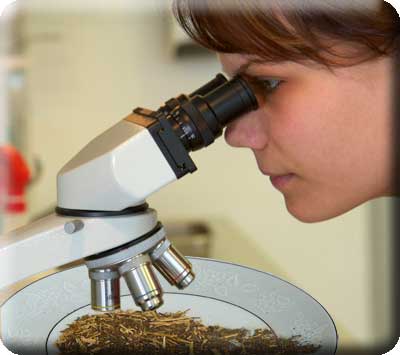
whats in a herb
|
These are the ingredients found in a herb - the ones we are interested in are those which have a nutritional or healing contribution to make to the human being.
They are typically grouped into
- Vitamins which we need to maintain vitality.
- Minerals which we need to keep the body working properly.
- Phyto-chemicals which we need for certain specialised activities such as healing.
In some cases we have chosen to list all the constituents that are known to science for a particular herb - as far as we could discover. For this we are indebted to Dr Jim Duke's
Phytochemical and Ethnobotanical Databases [6] available through the USDA.
These lists are often exhaustive and some of the constituents listed are there simply because science says they are present in samples of the herb.
Naturally different herbs have different constituents, to discover the actions of a particular herb - visit the herb page which you can access on the list of plants.
Herbs & Formulations we use at Middle Path include:
|
|
|
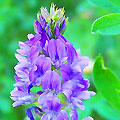
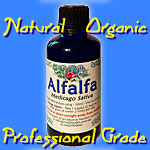
Alfalfa Medicago sativa
A superb nutritional source which is known as
read more .....
|
|
|
|
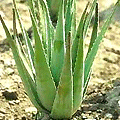
Aloe Vera Barbadensis miller
a master healer and one of the very best remedys for burns and other injuries you may experience
read more .....
|
|
|
|
Baby Boomers Remedy
Specifically formulated to help you age gracefully with all your faculties and abilities intact
read more .....
|
|
|
|
Blues Buster Remedy
Specifically formulated to help you banish the blues and brighten up your life naturally. Our effective side-effect-free natural antidepressant stress and anxiety remedy.
read more .....
|
|
|
|
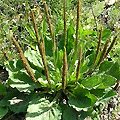
Broadleaf Plantain Plantago major
A potent broad-spectrum healer: unsurpassed for treating menopause, cancers, infections, inflammations, eliminating heavy metal toxicity, blood detoxing, asthma, tumours, allergies, aging - a strong antioxidant and tonic which helps you stay at your peak
read more .....
|
|
|
|
Bug Buster Remedy
Specifically formulated to help you overcome infections of all kinds (bacterial, fungal and viral).
read more .....
|
|
|
|
Can Cancer Remedy
Specifically formulated to help you overcome cancers of all kinds naturally and restore vitality and quality of life. An effective side-effect-free natural anticancer formulation.
read more .....
|
|
|
|
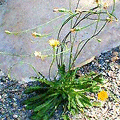
Catsear Hypochaeris radicata
a close relative of Dandelion with similar properties
read more .....
|
|
|
|
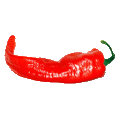
Cayenne Pepper Capsicum frutescens
a superb tonic and conditioner for the blood and everything to do with the circulatory system - which affects every organ and function in your body
read more .....
|
|
|
|
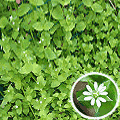
Chickweed Stellaria media
natures fat-buster: treats many disorders - acne, appetite, asthma, allergys, bronchitis, cancer, inflammation, rheumatism, skin conditions and ulcerations to name just a few
read more .....
|
|
|
|
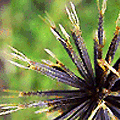
Cobblers Pegs Bidens Pilosa
a great healer for the digestive tract;
read more .....
|
|
|
|
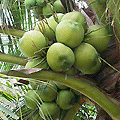
Coconut Cocos nucifera
the tree of life, another broad spectrum miracle of nature
read more .....
|
|
|
|
ContamiShield Remedy
Specifically formulated to boost your Immune System and provide protection from all biothreats.
read more .....
|
|
|
|
Coriander Coriandrum Sativum
culinary cure, stimulant and tonic
read more .....
|
|
|
|
Dandelion Taraxacum Officinale
used in salads, soups and stir frys and herbal tinctures
read more .....
|
|
|
|
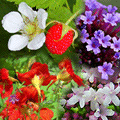
Edible Flowers various edible plant flowers
edible flowers for flavour and garnishing from many different plants which can add visual and nutritional delight to any salad
read more .....
|
|
|
|
Freedom From Remedy
Specifically formulated to help you overcome Addictions, Dependencies and Attachments of all kinds.
read more .....
|
|
|
|
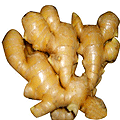
Ginger root Zingiber officinale
An age-old remedy for all forms of sickness (nausea) now being shown to have excellent results as a powerful anti-inflammatory herb used for joint problems such as arthritis, osteoarthritis, rheumatoid arthritis, tendonitis.
read more .....
|
|
|
|
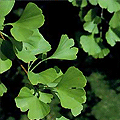
Ginkgo biloba Ginkgo biloba
a living fossil, unique, long-lived, robust memory enhancer used to treat dementia
read more .....
|
|
|
|
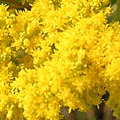
Golden Rod Solidago virgaurea
the Herb of Joy - another of natures depression-busters - it is near impossible to look upon Golden Rod when in flower and feel despondent, the tea and the tincture have a similar effect on the spirit when taken internally
read more .....
|
|
|
|
Gutu Kola Hydrocotyle asiatica
an anti-aging herb - tonic and revitaliser for the memory and libido
read more .....
|
|
|
|
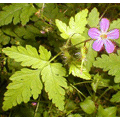
Herb Robert Geranium Robertianum
an irrepressible, joyous addition to any garden or salad which adds beauty, health, healing to any environment - internal and external
read more .....
|
|
|
|
Isolation Remedy
Specifically formulated to help you deal with the deprivations of the COV-19 pandemic. An effective side-effect-free natural formulation which decreases withdrawal stress and boosts self-containment.
read more .....
|
|
|
|
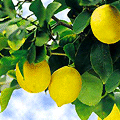
Lemon Citrus limon
another of natures broad-spectrum miracles - we had to write an ebook to list its benefits and uses
read more .....
|
|
|
|
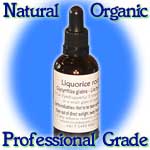
Liquorice Root Glycyrrhiza glabra
a sweet delight which treats many ailments infesting todays society
read more .....
|
|
|
|
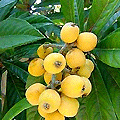
Loquat Eriobotrya japonica
luscious fruit loaded with Laetrile - another of natures cancer-busters
read more .....
|
|
|
|
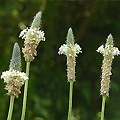
Narrowleaf Plantain Plantago Lanceolata
a great all-round blood purifier and tonic which, like its sibling broad-leafed plantain, is unsurpassed for dealing with menopause, lung problems and bed-wetting as well as skin, bladder and kidney disorders
read more .....
|
|
|
|
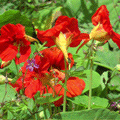
Nasturtium Tropaeolum majus
a Potent, Fast-working natural antibiotic and culinary delight, a favourite of the bees and so effective in dealing with many conditions that synthetic drugs seem incapable of treating
read more .....
|
|
|
|
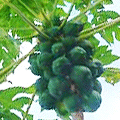
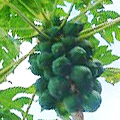
Papaya aka Pawpaw Carica papaya
ancient traditional cancer cure regaining popularity, also very useful for a whole range of internal imbalances and diseases
read more .....
|
|
|
|
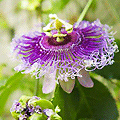
Passion Flower Passiflora incarnata
potent calmative qualities make it invaluable for treating stress in all its forms
read more .....
|
|
|
|
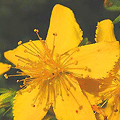
Saint Johns Wort Hypericum perforatum
long associated with magic, St Johns Wort is now better known for its natural, side-effect-free antidepressant properties
read more .....
|
|
|
|
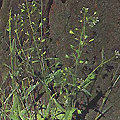
Shepherds Purse Capsella bursa-pastoris
used as a vegetable in many countries, can be used in stir frys or salads
read more .....
|
|
|
|
Spices various
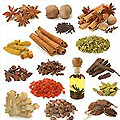
spice up your life and enjoy some little-known outstanding health and nutritional benefits.
read more .....
|
|
|
|
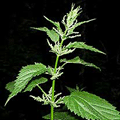
Stinging Nettle Urtica dioica
a superb blood tonic and conditioner, used for arthritis, painful muscles and joints, eczema, gout, anemia, urinary problems and infections.
read more .....
|
|
|
|
Thickhead Crassocephalum Crepidioides
a traditional native addition to our salad greens
read more .....
|
|
|
|
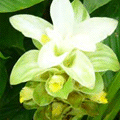
Turmeric Curcuma Longa
a tasty and colourful antioxidant and immune system booster
read more .....
|
|
|
|
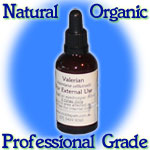
Valerian Valeriana officinalis
another natural antidepressant with tranquilising effects which increases Serotonin levels.
read more .....
|
|
|
|
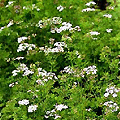
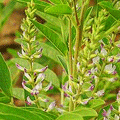
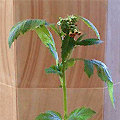
Vervain Verbena officinalis
natures anxiety-buster with strong calmative qualities
read more .....
|
|
|
|
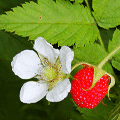
Wild Raspberry Rubus rosifolius
the guardian angel of pregnancy and birth is a powerful cancer-buster as well
read more .....
|
|
|
|
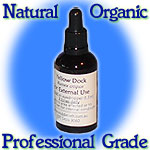
Yellow Dock Rumex crispus
whips the blood into shape restoring its ability to distribute nutrients and eliminate toxins from the system. Can ease abscess-induced toothache in minutes - a must in the medicine chest and marvellous on the meal table
read more .....
|
Herbal medicines available at Middle Path include:
Many of the herbs that grow at Middle Path have outstandingly potent health-giving benefits and we have made some available for you to buy online where we feel there is a crying need for these benefits in today's stress-laden lifestyle.
|
|
|
|
|
|
|
|
|
|
|
|
|
|
|
Blues Buster Remedy 50ml
Specifically formulated to help you banish the blues and brighten up your life naturally. Our effective side-effect-free natural antidepressant stress and anxiety remedy.
read more .....
|
|
|
|
|
|
Broadleaf Plantain tincture 50ml
Plantago major
A potent broad-spectrum healer: unsurpassed for treating menopause, cancers, infections, inflammations, eliminating heavy metal toxicity, blood detoxing, asthma, tumours, allergies, aging - a strong antioxidant and tonic which helps you stay at your peak
read more .....
|
|
|
|
|
|
|
|
|
|
|
|
Can Cancer Remedy 50ml
Specifically formulated to help you overcome cancers of all kinds naturally and restore vitality and quality of life. An effective side-effect-free natural anticancer formulation.
read more .....
|
|
|
|
|
|
Cayenne Pepper tincture 50ml
Capsicum frutescens
a superb tonic and conditioner for the blood and everything to do with the circulatory system - which affects every organ and function in your body
read more .....
|
|
|
|
|
|
Chickweed tincture 50ml
Stellaria media
natures fat-buster: treats many disorders - acne, appetite, asthma, allergys, bronchitis, cancer, inflammation, rheumatism, skin conditions and ulcerations to name just a few
read more .....
|
|
|
|
|
|
|
|
|
|
|
|
|
|
|
|
|
|
|
|
|
|
|
|
|
|
|
|
|
|
|
|
|
|
|
|
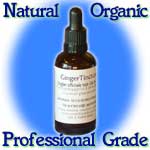
Ginger root tincture 50ml
Zingiber officinale
An age-old remedy for all forms of sickness (nausea) now being shown to have excellent results as a powerful anti-inflammatory herb used for joint problems such as arthritis, osteoarthritis, rheumatoid arthritis, tendonitis.
read more .....
|
|
|
|
|
|
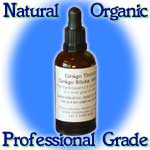
Ginkgo biloba tincture 50ml
Ginkgo biloba
a living fossil, unique, long-lived, robust memory enhancer used to treat dementia
read more .....
|
|
|
|
|
|
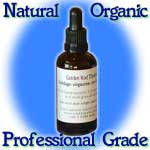
Golden Rod tincture 50ml
Solidago virgaurea
the Herb of Joy - another of natures depression-busters - it is near impossible to look upon Golden Rod when in flower and feel despondent, the tea and the tincture have a similar effect on the spirit when taken internally
read more .....
|
|
|
|
|
|
Gutu Kola tincture 50ml
Hydrocotyle asiatica
an anti-aging herb - tonic and revitaliser for the memory and libido
read more .....
|
|
|
|
|
|
Herb Robert tincture 50ml
Geranium Robertianum
an irrepressible, joyous addition to any garden or salad which adds beauty, health, healing to any environment - internal and external
read more .....
|
|
|
|
|
|
Isolation Remedy 50ml
Specifically formulated to help you deal with the deprivations of the COV-19 pandemic. An effective side-effect-free natural formulation which decreases withdrawal stress and boosts self-containment.
read more .....
|
|
|
|
|
|
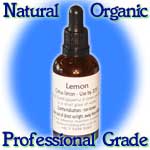
Lemon tincture 50ml
Citrus limon
another of natures broad-spectrum miracles - we had to write an ebook to list its benefits and uses
read more .....
|
|
|
|
|
|
|
|
|
|
|
|
Narrowleaf Plantain tincture 50ml
Plantago Lanceolata
a great all-round blood purifier and tonic which, like its sibling broad-leafed plantain, is unsurpassed for dealing with menopause, lung problems and bed-wetting as well as skin, bladder and kidney disorders
read more .....
|
|
|
|
|
|
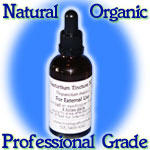
Nasturtium tincture 50ml
Tropaeolum majus
a Potent, Fast-working natural antibiotic and culinary delight, a favourite of the bees and so effective in dealing with many conditions that synthetic drugs seem incapable of treating
read more .....
|
|
|
|
|
|
Papaya aka Pawpaw tincture 50ml
Carica papaya
ancient traditional cancer cure regaining popularity, also very useful for a whole range of internal imbalances and diseases
read more .....
|
|
|
|
|
|
Passion Flower tincture 50ml
Passiflora incarnata
potent calmative qualities make it invaluable for treating stress in all its forms
read more .....
|
|
|
|
|
|
Saint Johns Wort tincture 50ml
Hypericum perforatum
long associated with magic, St Johns Wort is now better known for its natural, side-effect-free antidepressant properties
read more .....
|
|
|
|
|
|
Stinging Nettle tincture 50ml
Urtica dioica
a superb blood tonic and conditioner, used for arthritis, painful muscles and joints, eczema, gout, anemia, urinary problems and infections.
read more .....
|
|
|
|
|
|
|
|
|
|
|
|
Valerian tincture 50ml
Valeriana officinalis
another natural antidepressant with tranquilising effects which increases Serotonin levels.
read more .....
|
|
|
|
|
|
|
|
|
|
|
|
Yellow Dock tea 150g
Rumex crispus
whips the blood into shape restoring its ability to distribute nutrients and eliminate toxins from the system. Can ease abscess-induced toothache in minutes - a must in the medicine chest and marvellous on the meal table
read more .....
|
|
|
|
|
|
Yellow Dock tincture 50ml
Rumex crispus
whips the blood into shape restoring its ability to distribute nutrients and eliminate toxins from the system. Can ease abscess-induced toothache in minutes - a must in the medicine chest and marvellous on the meal table
read more .....
|
|
|
| |
|

a basket of herb teas
|
Why choose a Herbal Tea?
Plants produce a vast range of substances -
phyto-chemical s - which are very beneficial in restoring and maintaining health in we humans without side-effects. We believe that they are perfectly suited to preventative and curative health care because they are natural and harmonious to our bodies.
If you do not have fresh herbs nearby then dried material is the next best way to obtain their beneficial influence.
How long will herb tea keep it's potency?
Stored properly - in an air-tight glass container away from direct sunlight - herb tea will keep for up to 18 months without losing it's potency. If you are dealing with the onset of a severe condition we suggest it may be worth purchasing fresh material to have complete confidence in its healing potency.
When should I drink my Tea?
For best absorption, consume herbal teas 30 minutes or more before meals or drinking other liquids to avoid diluting it while it is in your digestive tract.
Caring for your herb tea
If you don't plan on using the tea immediately, it's best to keep it unopened and away from direct sunlight (in a closed cupboard or drawer). Exposed to the air it may absorb moisture and humidity, so if they are opened, reseal them tightly, or (preferably) put it in a glass jars with a tight-fitting lid (avoid metal containers).
Most will never require refrigeration or freezing - just keep them at average room temperature (70-80 degrees). Generally, the "shelf-life" for optimum freshness will be about a year if stored properly.
If you live in a warm, high humidity area, it may be impossible to keep moisture out of regularly opened and closed glass containers, and the plants may become mouldy. If this happens, discard them and purchase fresh ones. To prevent mould, try storing them in paper lunch bags so they can “breathe” (although this will reduce the shelf-life significantly).
Making an Infusion

cup of tea from a teapot
| |
|
Preparing an infusion is just like making a cup of tea but allowing more time for the water to absorb the herb's essence.
Pour boiling water over the tea (use a glass, stainless steel or ceramic vessel), cover it and allow to soak/steep for 20 minutes or so. Stirring it a few times while steeping is helpful - and is an ideal opportunity to focus your mind on the benefits it will bring to you.
Generally use 1 teaspoon of dried herb in a 250ml cup of water is sufficient. The standard dosage is one teacup (250ml), two or three times daily.
For convenience, your entire day's dosage can be prepared at night (2-3 cups at one time) and left overnight and then refrigerated for use throughout the day. You can drink it cold or heat it if you want it warm.
| |
|

making a decoction
|
Making a Decoction
When a herb tea contains tough, woody material such as bark, root or seeds a decoction is the recommended method for making your drink.
Instead of just soaking it in hot water, the plant material is boiled for a longer period of time to soften the thicker woody pieces and release its active constituents.
Use a ceramic, glass or enamel pot with a snug fitting lid, if you don't have one then a stainless steel pot is good but definitely not aluminium or teflon.
Add the amount of herb needed (1 teaspoon per 250ml of water) to the proper amount of cold water in the pot depending on how many doses you wish to prepare.
Turn the heat to medium high and bring to a vigorous boil then put the lid on the pot and reduce the heat to maintain a gentle but cheerful simmer for 20 minutes.
If you can see steam escaping or smell the aroma of the herb, your lid is not tight enough and valuable essential oils may be escaping.
After 20 minutes, remove from heat and cool slightly, for maximum potency we encourage you to let it stand overnight.
Strain the mixture through a tea strainer into a wide-necked bottle, jug or cup, making sure to press on the material in the strainer with a spoon or similar to get as much of the liquid/decoction out of the herb as possible.
Standard dosages for decoction are generally one-half to one cup, two or three times daily.
A day's dosage can be prepared the prior evening (2-3 cups at one time), allowed to continue to soak while it cools overnight to ensure maximum potency and refrigerated until ready to use throughout the next day.
Is it Safe for me to take a Herbal Tincture?
If you have any concerns or apprehensions please use our free Herbal Tincture enquiry service so that we can make sure that what you want is completely safe for your situation or condition.
We especially encourage you to get in touch if you have any of the following health problems or conditions:
- An enlarged prostate gland
- Are preganant or breast-feeding
- Blood clotting problems
- Cancer
- Diabetes
|
|
- Epilepsy
- Glaucoma
- Heart disease
- High blood pressure
- Immune system problems
|
|
- Liver problems
- Psychiatric problems
- Parkinson's disease
- Stroke
- Thyroid problems
|
You have two options when you purchase Herbal tincture:
- For external use which you can apply externally to the soles of your feet or topically on an external condition - you can purchase these without a consultation.
- For internal use. If you wish to take it internally because of the potency of these tinctures you need to be sure they will not cause complications with an existing health condition or prescribed drugs you may be taking.
If you are in any doubt about the possibility Herbal tincture causing complications with prescription drugs or a medical condition you may have please get in touch so that we can advise you on the suitability of a particular tincture.
Especially if you are pregnant or breast-feeding.
You can have an online consultation or visit our clinic for a thorough consultation if you wish to purchase our potent tinctures for internal use.
There are fewer concerns when using Herbal tincture externally and our many years of experience has shown that the tincture is just as effective being applied into the soles of the feet or applied topically on external conditions where they will be absorbed into your system.
Our clients who have come for a consultation use the same tincture internally and we recommend they take half an eyedropper (about 1.5ml) of herbal tincture in a small glass of water three times per day for adults and a quarter of an eyedropper in a small glass of water for children.
Herbal tincture is a potent liquid extract made from organic Herbal. It is a concentrated way of getting herbal medicine into your body easily especially applying them to the soles of your feet. Once a tincture is prepared, it has an extremely long shelf life. Tinctures should be kept in a cool, dark cupboard to maintain their potency.
If you are on any prescribed medication we strongly advise you to use our free Herbal Tincture enquiry service to make sure that the medication and potent Herbal tincture are compatible.
| |
|

making medicine for internal use
|
How to Use Herbal Tincture internally
How do I prepare my Herbal Tincture?
Just add the recommended dosage - which is usually 1.5ml or one eyedropperfull - to a glass of drinking water or any other cold drink.
Then drink it.
When should I drink my Herbal Tincture?
For best absorption, consume herbal tinctures 30 minutes or more before meals or drinking other liquids to avoid diluting it while it is in your digestive tract.
How to Use our Tinctures externally

how to apply a tincture to the soles of your feet
| |
|
If you are treating an external condition - such as a skin infection - then simply apply the tincture directly to the site using the eyedropper or a suitable swab.
If you are treating an internal condition then the best way to get the tincture into your body is through the soles of your feet. The skin is a highly absorptive organ and the feet have the reflexology facility which helps get the healing properties of the herbs right to the place inside you where they will do the most good.
If you don't have someone to do it for you, the easiest way we've found is to apply it sitting down. Rest one foot on your other leg's thigh (use a towel to make sure the tincture doesn't drip on your furniture or clothes), squirt a small amount of tincture onto the palm of one hand (about 1.5ml or half an eyedropper), rub it gently into the sole of your foot. In most cases you will find it has been absorbed within 30 seconds or so - you'll know when your foot feels dry. Then do the same to your other foot and the treatment is complete.
click the link to view other pages in our Plants and Herbs Section:
You can see more information by clicking on the tabs below
middlepath.com.au> Middle Path> Plants> index References
|
|